When I look at the growing world of psychedelic retreats and ceremonies — Ayahuasca, San Pedro, mushrooms, even MDMA — I see a common pattern. People arrive carrying trauma, relationship wounds, or even the memory of a frightening trip. And almost every time, they’re told: “Drink the medicine again. Whatever happens is what you need.”
I get why that reassurance feels right. The use of psychedelics in therapy is showing incredible promise in research and clinical settings, and I’ve seen how ceremonies can bring about breakthroughs people never thought possible. But I don’t think psychedelics are a cure-all, and I believe it’s risky — sometimes even harmful — to treat them like they are.
What I feel is missing in this conversation is attachment. The way we learned to relate to caregivers early in life — whether we felt safe, supported, and soothed, or left alone with fear and overwhelm — has everything to do with how we process powerful psychedelic states. In my view, secure attachment is the foundation for safe and effective psychedelic work. Without that base, psychedelics can destabilize as much as they heal.
The Perils of the Psychedelic Panacea Mindset
It’s easy to see why people in the psychedelic scene sometimes treat these substances as a cure-all. Clinical studies show psychedelics can help with depression, PTSD, and addiction. Stories of people transforming their lives after a single ayahuasca or psilocybin ceremony circulate widely. So when someone says, “I’m struggling with childhood trauma” or “I had a really bad trip once”, many facilitators reflexively respond: “This medicine can help. You should absolutely do it.”
I understand the optimism, but I also find it troubling. Psychedelics are powerful amplifiers of the psyche. If you already have a shaky foundation, they can easily intensify that instability. Yet in some circles, any negative or overwhelming outcome gets brushed aside with phrases like “that’s just what you needed” or “trust the medicine.”
From where I stand, that feels irresponsible. At best, it overlooks the real psychological risks. At worst, it borders on gaslighting — dismissing a participant’s pain by reframing it as medicine, even when they leave more traumatized than when they arrived.
Still, I don’t think most facilitators mean harm. Many of them genuinely believe in the medicine. And that belief comes directly from indigenous traditions, where these plants have been used for centuries as sacred healing tools. The problem is, those ceremonies originally took place in cultures where people grew up with a strong foundation of secure attachment — something many of us in modern societies simply don’t have.
Indigenous Context: Community, Connection, and Security
In traditional, community-based societies, children were rarely left alone. They were held for most of the day, fed on demand, and quickly comforted when they cried. Caregiving wasn’t the job of just one or two stressed parents — it was shared by grandparents, siblings, aunts, uncles, and neighbors. Anthropologists studying hunter-gatherer cultures found that infants often had ten or more active caregivers, and non-parent figures provided close to half of the childcare.
That kind of upbringing fosters secure attachment almost by default. A child learns through thousands of small moments that the world is safe, that people respond when they’re in distress, and that support is always close at hand.
Now picture what that means in a ceremonial context. When someone from an indigenous culture drinks ayahuasca, they’re not entering the unknown alone. They’re surrounded by trusted relatives, friends, and a shaman who has guided their community for generations. If fear or grief arises, they know they’re held. Even in the most challenging visions, they can surrender because the safety net of community is all around them.
That’s the world in which the idea “the medicine heals everything” emerged. The medicine was never meant to do the work in isolation — it was supported by a deep cultural container of trust and belonging.
The Modern Reality: Attachment Challenges in the West
For most of us raised in industrialized societies, the story looks very different. Parents often raised children in isolation, without extended family or community support, while balancing work and chronic stress. It wasn’t a lack of love — it was the conditions.
The result? Around 40% of infants in the U.S. don’t form a secure attachment with their caregivers. Many grow up with anxious, avoidant, or disorganized attachment styles. By adulthood, this often means carrying unresolved trauma, nervous systems stuck in hypervigilance, and difficulty trusting others.
So when we step into a psychedelic ceremony, we don’t bring the same secure foundation that indigenous people often did. We bring histories of abandonment, neglect, or disconnection. And psychedelics, which magnify whatever is inside, can surface those wounds with overwhelming force.
This is why the psychedelics in psychotherapy movement is paying increasing attention to trauma and attachment. Because while psychedelics can be incredibly healing for trauma, they also have the potential to retraumatize if someone enters the process without support.
Research: Attachment Styles and Psychedelic Outcomes
Psychologist Daniel P. Brown’s research makes the picture clear. He found that people with secure early attachment were far more resilient to later trauma. Even when they experienced abuse, they could recover without developing severe personality disorders. People with insecure or disorganized attachment, on the other hand, were much more likely to develop chronic PTSD, dissociation, or addictions when trauma hit.
Recent psychedelic studies echo this:
- People with secure attachment are more likely to report positive, meaningful psychedelic experiences.
- Those with insecure attachment styles often report more difficult or destabilizing journeys.
- In psilocybin-assisted therapy, people with high attachment anxiety sometimes had profound mystical experiences, while those with avoidant attachment were more likely to struggle with fear and resistance.
The takeaway: psychedelics don’t bypass our attachment history — they shine a spotlight on it. Which means that psilocybin for attachment healing or ayahuasca for attachment trauma can be powerful, but only if there’s a secure enough base to process what comes up.
Building a Secure Base Before Ceremony
So what does this mean if you feel called to psychedelic work? To me, it means the wisest, safest path is to build some secure attachment first.
That doesn’t mean you need perfect relationships or a flawless family history. It means doing some groundwork:
- Attachment-based healing work: Practices like the Ideal Parent Figure protocol, Internal Family Systems, or somatic work can begin rewiring insecure patterns.
- Trusted relationships: Working with a therapist, mentor, or integration coach who feels safe and consistent.
- Self-regulation tools: Mindfulness, grounding, and self-compassion that help your nervous system stay steady under stress.
Even beginning this process makes a difference. With some of that foundation in place, psychedelic work tends to be deeper, smoother, and less risky. Instead of being thrown into overwhelm, you have the resilience to face whatever arises — and integrate it afterward.
Psychedelic Safety and Integration
If psychedelics open the door, integration is what allows you to walk through it. Safety isn’t just about the medicine — it’s about the preparation and the support that comes afterward.
Psychedelic Safety Tips
- Screen carefully: Know your health history and any contraindications.
- Choose the right setting: Work only with trusted facilitators or licensed therapists.
- Have support in place: A sitter, guide, or integration community to lean on.
- Plan for integration: Journaling, therapy or coaching for integration, and connection to help process the experience.
These steps aren’t just practical — they recreate, in a modern way, the communal support that indigenous cultures offered naturally.
Conclusion: Secure Attachment as the Soil
Psychedelics can be extraordinary teachers. But they are not magic bullets. They magnify what’s already inside of us.
Indigenous people didn’t rely on the medicine alone. They relied on medicine embedded in community and secure attachment. For us, that means doing the attachment work first — or at least alongside the ceremony — so the container is strong enough for the medicine to truly do its work.
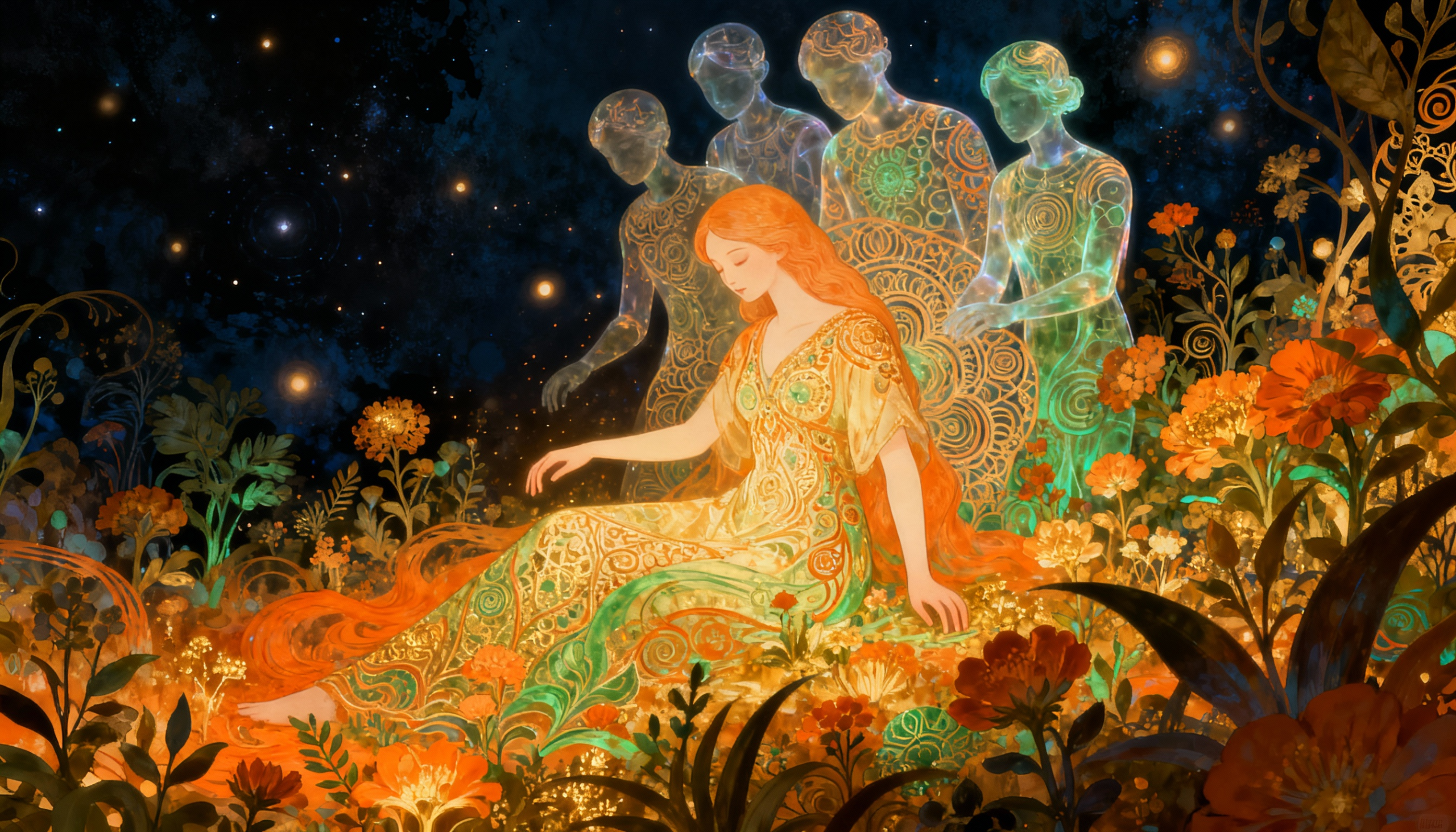
To me, the image is simple: secure attachment is the soil, psychedelics are the seed. Without healthy soil, the seed may struggle to grow. With it, the medicine can flourish — helping us release trauma, rediscover trust, and finally feel the love and connection we may have missed early in life.
Frequently Asked Questions About Psychedelics for Attachment Healing
Secure attachment provides emotional stability, which directly affects how someone responds to the use of psychedelics. People with secure attachment typically trust the process more, regulate fear better, and integrate insights more effectively. Those with insecure attachment are more vulnerable to overwhelm, retraumatization, or confusing experiences.?
Psychedelics can help attachment trauma, but only within a safe container. Substances like ayahuasca or psilocybin often bring relational wounds to the surface. Without secure support, this can destabilize someone. With proper preparation, therapy or coaching, and integration, psychedelics may accelerate emotional repair and re-patterning
Some early studies suggest psilocybin may reduce attachment anxiety and open pathways for relational healing. However, psilocybin for attachment work is most effective when combined with therapy or coaching and integration practices. The medicine can reveal patterns, but stable relationships and ongoing support help solidify changes.
Begin with attachment-focused work, like Ideal Parent Figure work or somatic trauma work. Choose experienced facilitators, and plan structured integration afterward. Strengthening secure attachment beforehand makes psychedelic work safer, more stable, and more transformative.